Blog
"Knowledge itself is power."
— Francis Bacon
Jacob Levin Law
Show me the proof!

If you are involved in a restraining order case, it is easy to think, "I'll just tell the judge what happened." Unfortunately, that is often where people get into trouble.

The Most Dangerous Words in Criminal Defense: "We Already Know What Happened.
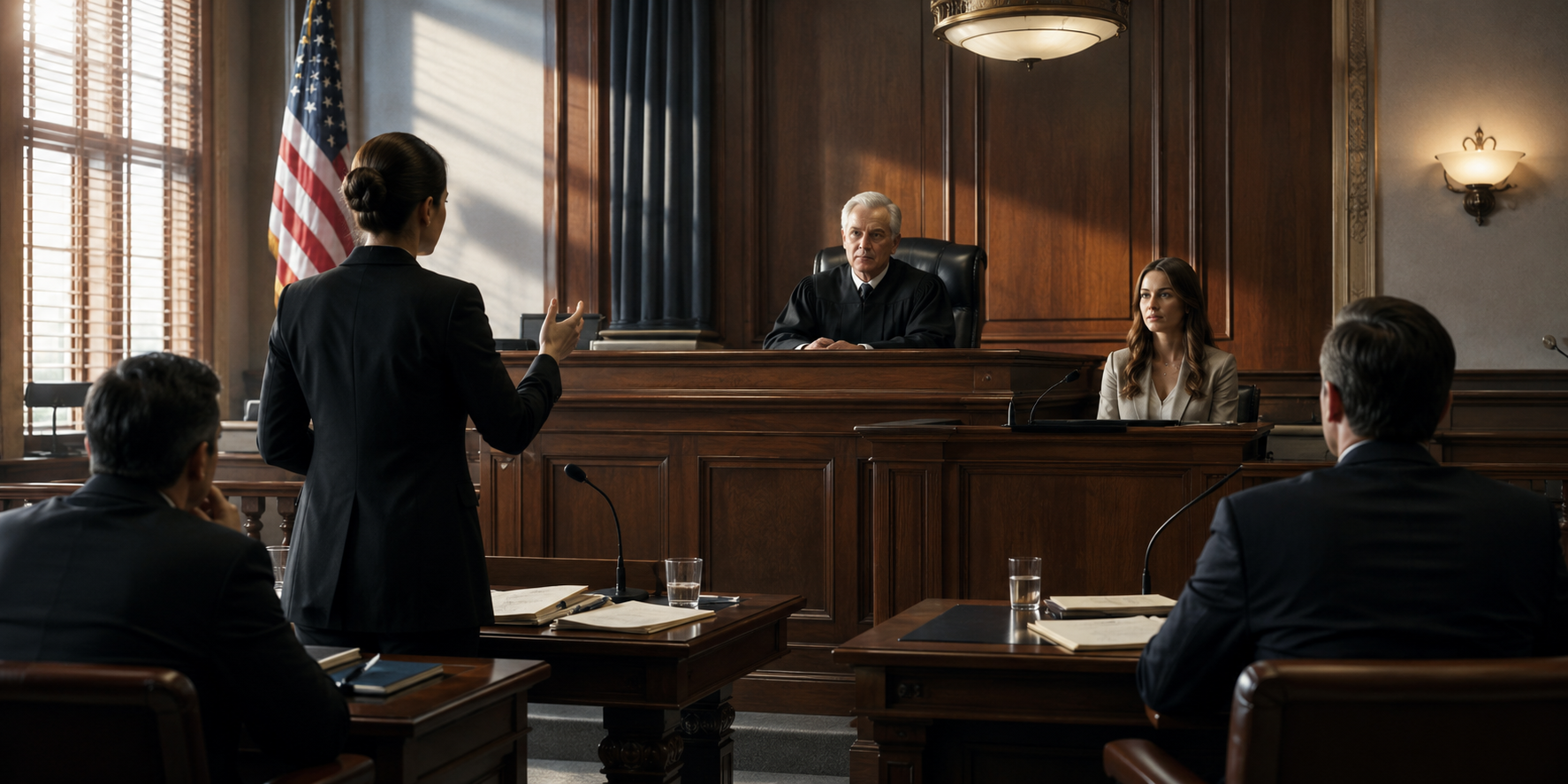
Insist on a full and fair hearing.

Screenshots, Ring Cameras, and Deleted Messages: Digital Evidence in Restraining Order Cases
This Case Taught Me a Lot About Assumptions
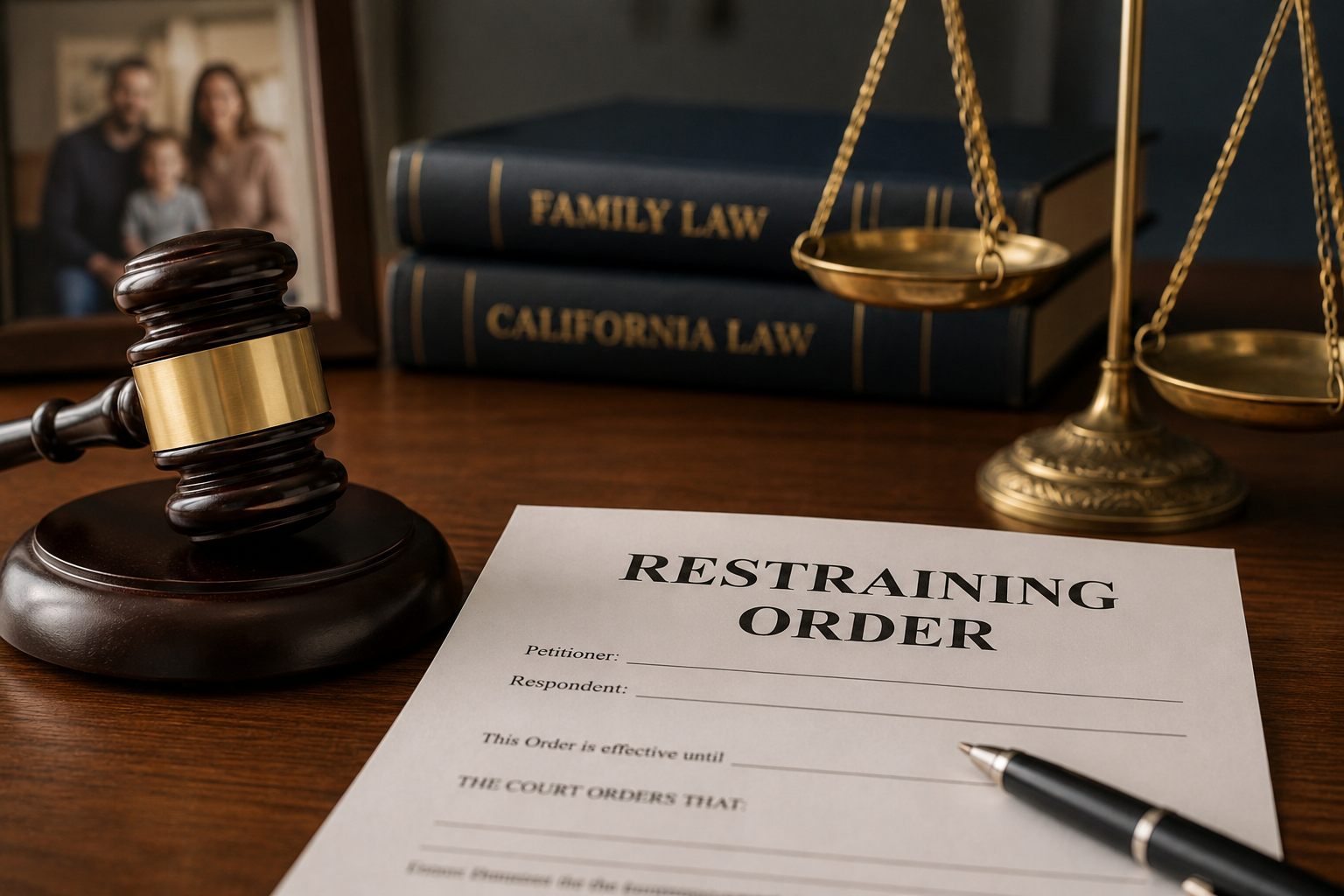
It's Important to Stay Current with any Legal Developments
These cases taught me a lot, hopefully they help you too.
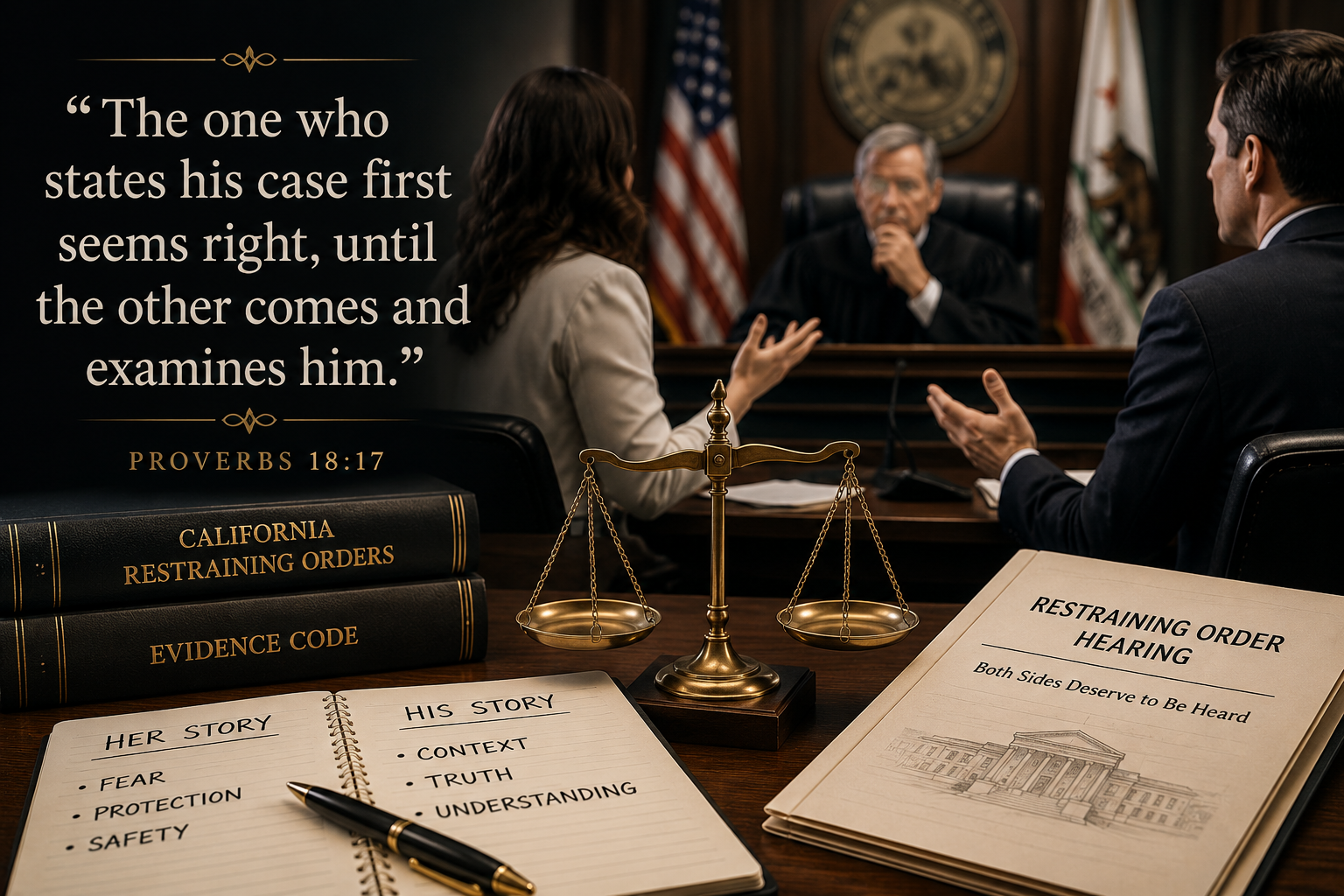
"The One Who States His Case First Seems Right..." What Proverbs 18:17 Teaches Us About Restraining Order Hearings "The one who states his case first seems right, until the other comes and examines him." — Proverbs 18:17 More than 2,000 years ago, the Book of Proverbs captured a truth about human nature that remains just as relevant in today's courtrooms as it was in ancient times. When we hear only one side of a story, that side often seems convincing. Only after hearing the other side do we begin to appreciate that the facts may be far more complicated. That principle lies at the heart of every restraining order hearing. Every Story Has Two Sides When someone files for a restraining order, the court initially hears only the petitioner's version of events. That is why California courts may issue a Temporary Restraining Order (TRO) before the respondent has an opportunity to appear. At that early stage, the judge is deciding whether temporary protection is appropriate until a full hearing can be held. But the temporary order is not the end of the case. It is the beginning of it. The law recognizes an important principle: before issuing a longer-term restraining order, both sides deserve an opportunity to be heard. That is exactly what Proverbs 18:17 teaches. Why Cross-Examination Matters At the hearing, the respondent has the opportunity to present evidence, call witnesses, testify if appropriate, and cross-examine the petitioner's witnesses. Cross-examination has long been recognized as one of the most effective methods for discovering the truth. Sometimes it confirms what was alleged. Other times it reveals misunderstandings, missing context, inconsistent statements, mistaken perceptions, or facts that were never included in the original petition. This does not mean that every restraining order petition lacks merit. Nor does it mean that every respondent has a valid defense. It simply recognizes that judges make better decisions when they hear both sides. First Impressions Are Powerful Human beings naturally form opinions quickly. Psychologists refer to this as the primacy effect —our tendency to give greater weight to the information we hear first. That is precisely why our legal system does not stop after hearing only one side. The court schedules a hearing. Evidence is presented. Witnesses are examined. Objections are made. Only then does the judge decide whether the petitioner has met the legal burden required for the particular type of restraining order being sought. Every Type of Restraining Order Has Different Rules Another common misconception is that every restraining order hearing follows the same legal standards. It does not. California recognizes several different types of restraining orders, including: Domestic Violence Restraining Orders Civil Harassment Restraining Orders Elder Abuse Restraining Orders Workplace Violence Restraining Orders Gun Violence Restraining Orders Each has its own statutes, evidentiary rules, and burden of proof. Understanding those differences can significantly affect how a case is presented and how the court evaluates the evidence. A Hearing Is More Than Reading Declarations Many people assume the judge simply reads the written declarations and decides the case. In contested hearings, that is rarely enough. An experienced attorney knows when to: Cross-examine witnesses. Object to inadmissible evidence. Challenge credibility. Introduce documents, photographs, text messages, and videos. Present testimony that provides important context. Explain how the law applies to the specific type of restraining order before the court. Sometimes a single answer during cross-examination changes the entire direction of a hearing. Due Process Protects Everyone The wisdom of Proverbs 18:17 is not about favoring one side over the other. It is about recognizing that justice requires listening before deciding. Our legal system is built upon that same principle. Whether you are seeking protection through a restraining order or defending yourself against one, the court's responsibility is to hear both sides, carefully examine the evidence, and apply the law fairly. That process protects petitioners. It protects respondents. Most importantly, it protects the integrity of the judicial system itself. Experience Matters Restraining order hearings often move quickly, but their consequences can last for years. They can affect firearm rights, child custody, employment, housing, professional licenses, and future court proceedings. Because each type of restraining order has different legal requirements, it is important to work with an attorney who understands not only the facts of your case, but also the specific statutes, evidentiary rules, and courtroom procedures that apply. At Jacob Levin Law , we represent both petitioners and respondents in restraining order proceedings throughout Redding, Shasta County, and Northern California . We believe every case deserves careful preparation, thoughtful advocacy, and, consistent with the wisdom expressed in Proverbs 18:17, a full and fair opportunity for both sides to be heard .
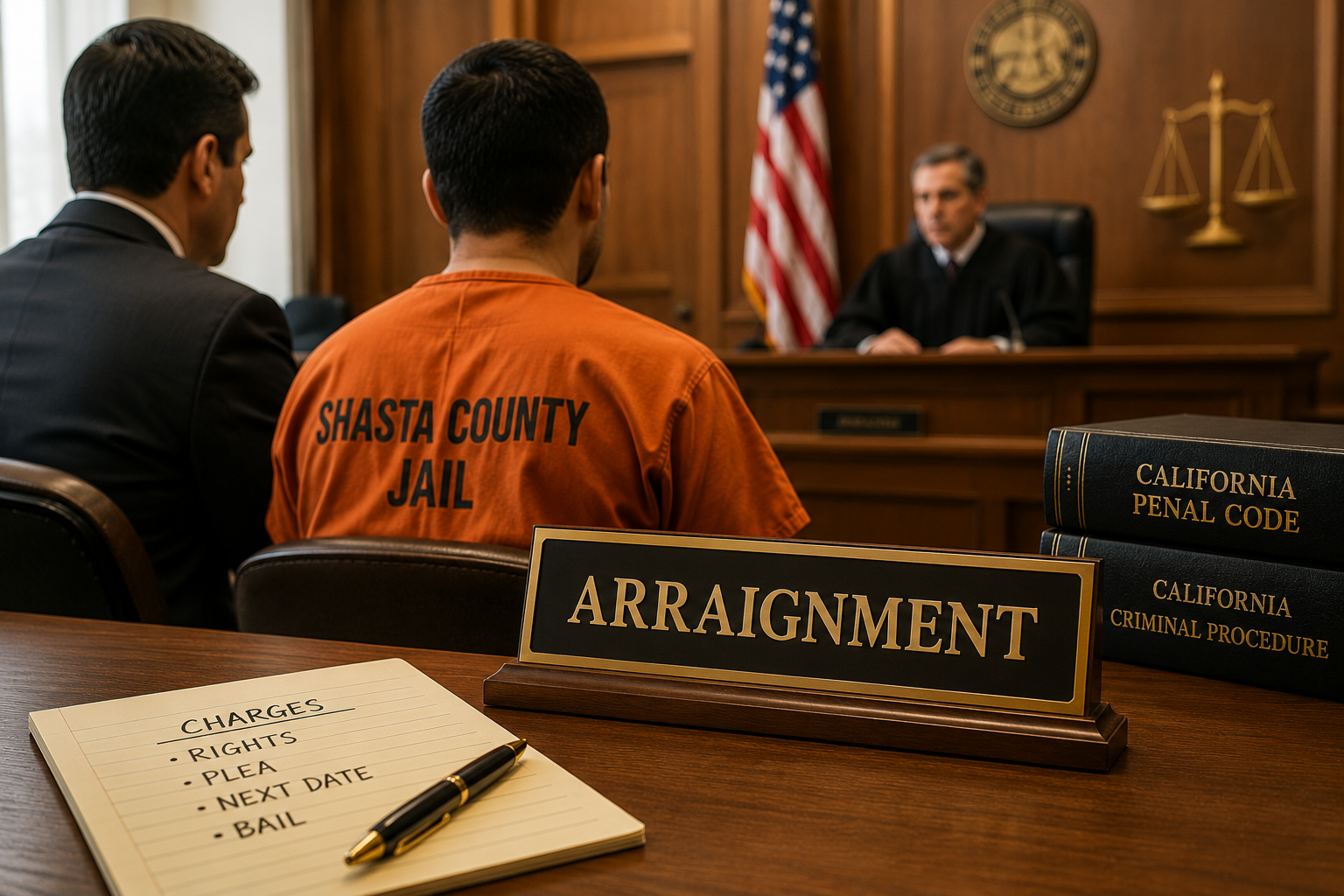
If you've been arrested, one of the first questions you probably have is, "What happens next?" Many people have never been inside a courtroom before. Their understanding of the criminal justice system comes from television shows or movies. Unfortunately, Hollywood often gets it wrong. One of the best examples is the movie My Cousin Vinny . Shortly after arriving in town, Vinny walks into court at the defendants' arraignment and immediately begins arguing the facts of the case. While it makes for great entertainment, that is generally not how criminal cases work in California. In reality, a criminal case moves through several important stages, each serving a different purpose. Understanding those stages can help you know what to expect and why having an experienced criminal defense attorney matters. Stage One: The Arraignment The arraignment is usually your first appearance before a judge after criminal charges have been filed. Many clients expect this to be the day their attorney proves their innocence. It's not. Instead, the arraignment is primarily a procedural hearing . During the arraignment, the court generally: Advises you of the charges. Advises you of your constitutional rights. Determines whether you have an attorney. Addresses bail or custody issues. Sets future court dates. Accepts a plea, which is almost always "Not Guilty" at this stage. One of the most common misconceptions is that the defense begins presenting witnesses and arguing the facts at the arraignment. Generally speaking, that does not happen. There are occasional exceptions. For example, in rare situations, a defense attorney may ask the court to dismiss a case in the interests of justice through a motion under Penal Code section 1385 or raise another issue that can be addressed immediately. Those situations are the exception, not the rule. Most criminal cases simply are not ready for factual arguments at the arraignment because the defense has not yet received all of the evidence. Criminal defense is not simply about making persuasive arguments. It is about knowing when to make those arguments. An experienced criminal defense attorney understands when to challenge the evidence, when to cross-examine witnesses, when to file motions, when to negotiate, and when to present the strongest defense at trial. Every stage of a criminal case presents opportunities—and risks. Knowing how to use each stage effectively can make a substantial difference in the outcome of your case. Looking for a Criminal Defense Attorney in Redding or Shasta County? If you or someone you love is facing criminal charges, understanding the process is the first step. Having an experienced criminal defense attorney guide you through each stage—from arraignment through trial, if necessary—can help protect your rights and ensure that every opportunity to defend your case is fully explored. At Jacob Levin Law, we represent clients throughout Redding, Shasta County, and Northern California in misdemeanor and felony cases. Whether your case is just beginning or is already set for trial, we are prepared to help you navigate every stage of the criminal justice process.