Digital Evidence in Restraining Order Cases
Screenshots, Ring Cameras, and Deleted Messages: Digital Evidence in Restraining Order Cases
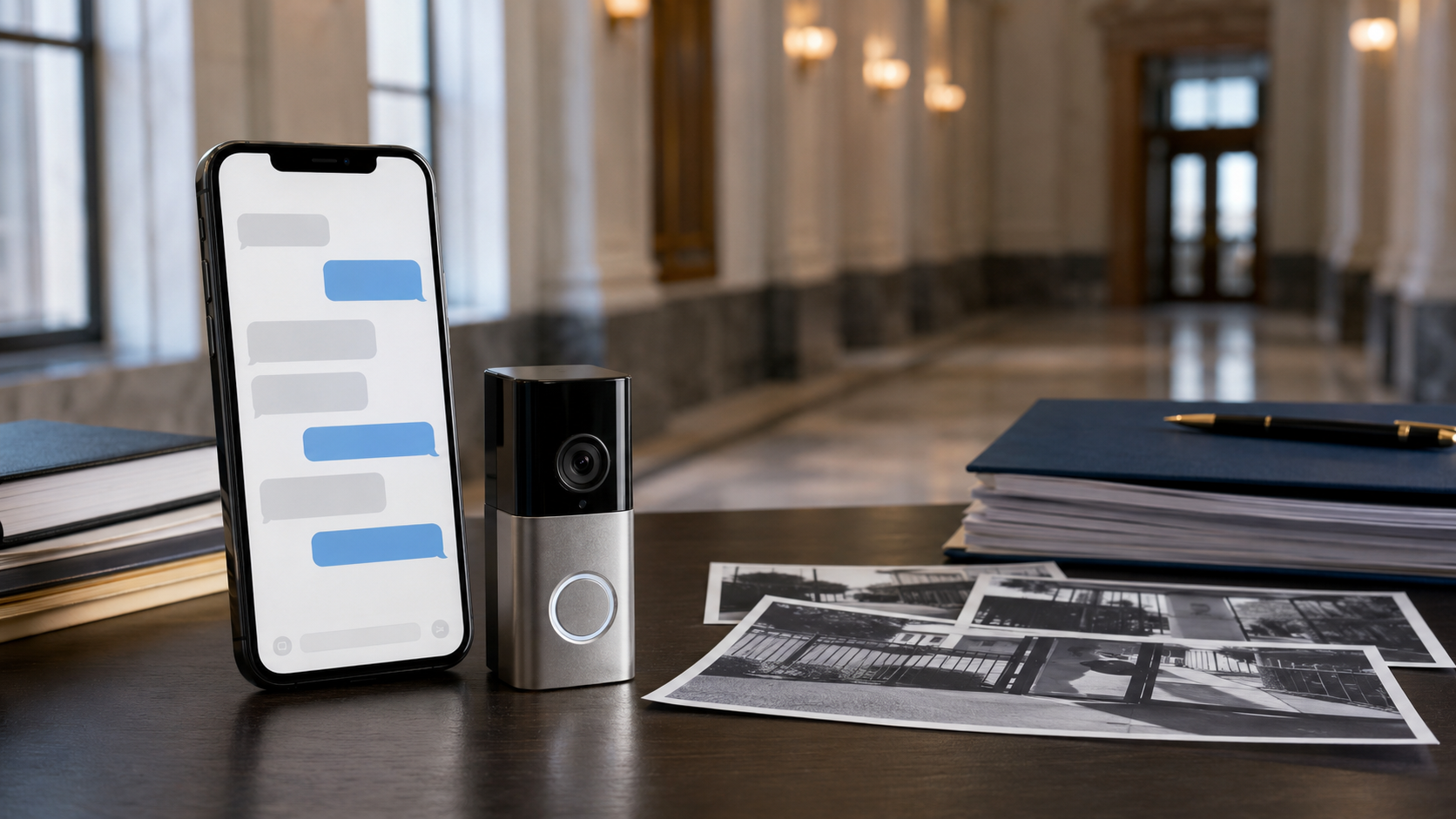
Restraining order cases often involve two very different accounts of the same event. One person describes threatening or unwanted conduct. The other says the contact was harmless, exaggerated, or taken out of context.
Digital evidence can help the court determine what actually happened. Text messages, Ring camera footage, voicemails, emails, and call records often become some of the most important evidence in a California restraining order hearing.
As a Redding restraining order lawyer, I carefully examine not only what the digital evidence shows, but also what may have been omitted.
Screenshots May Not Tell the Whole Story
Screenshots can document threats, repeated contact, apologies, or admissions. But they are also easy to crop.
A message may appear threatening when viewed by itself but have a different meaning when the entire conversation is considered. Sometimes the most important evidence is the message immediately before or after the screenshot presented to the court.
When reviewing screenshots, I look for:
- Missing dates or timestamps
- Gaps between messages
- Cropped portions of the conversation
- Unclear telephone numbers or account names
- Messages inconsistent with the allegations
- Continued communication by both parties
California law generally allows the opposing party to introduce additional portions of a conversation when necessary to prevent a selected excerpt from creating a misleading impression.
Can the Screenshot Be Authenticated?
A screenshot does not automatically prove who sent the message. The name displayed at the top of the screen may simply be a contact name entered by the phone’s owner.
Digital evidence generally must be authenticated before it can be admitted. This means there must be sufficient evidence showing that the message, photograph, or recording is what someone claims it is.
Authentication may come from the telephone number, the surrounding conversation, the sender’s writing style, information known only to the parties, or testimony from someone familiar with the communication. If the sender denies writing the message, preserving the original device and complete message thread may become especially important.
Ring Cameras Can Confirm—or Contradict—the Allegations
Doorbell cameras and home-security systems can be particularly powerful in restraining order cases. A petition may allege that someone screamed, pounded on a door, tried to enter a home, or refused to leave. The video may confirm those allegations.
It may also show that the person knocked once, waited briefly, spoke calmly, and left.
Still, video does not always show the entire event. Motion activation may cause the recording to begin late or stop early. The camera may capture only part of the property, and timestamps are not always accurate. A short clip should therefore be examined in the context of the complete recording and the surrounding events.
Because many security systems automatically delete old footage, important recordings should be downloaded and preserved immediately.
Deleted Messages May Still Be Recoverable
Deleting a message does not necessarily make it disappear. Copies may still exist:
- On the other person’s phone
- In screenshots
- On a synchronized tablet or computer
- In a cloud backup
- In notification previews
- In messages forwarded to someone else
If a person claims to have produced the complete conversation but deleted unfavorable portions, that may affect the person’s credibility. At the same time, a missing message does not always establish intentional destruction. Evidence must be evaluated carefully before conclusions are drawn.
Preserve the Evidence and Avoid Creating New Problems
If you anticipate a restraining order case:
- Do not delete messages, photographs, or recordings.
- Save the complete conversation rather than selected excerpts.
- Download original videos before they expire.
- Preserve the original phone or device when possible.
- Do not edit or crop the only available copy.
- Never contact the other party in violation of a temporary order.
Trying to obtain “one more message” from the opposing party can make the situation worse. Once a temporary restraining order prohibits contact, even a calm or well-intentioned communication may constitute a violation.
Speak With a Redding Restraining Order Lawyer
Digital evidence can expose exaggerations, establish a pattern of unwanted contact, or reveal that an allegation was taken out of context. But presenting that evidence effectively requires more than printing a few screenshots.
As a Redding restraining order lawyer, I regularly examine messages, videos, emails, and other electronic records for missing context, inconsistent dates, selective editing, and statements that contradict the allegations. If you are seeking or defending against a restraining order in Redding or Shasta County, preserve your digital evidence as soon as possible. The clearest account of what happened may already be sitting on a phone or behind a doorbell camera.