What Happens at Arraignment (My Cousin Vinny got it Wrong)
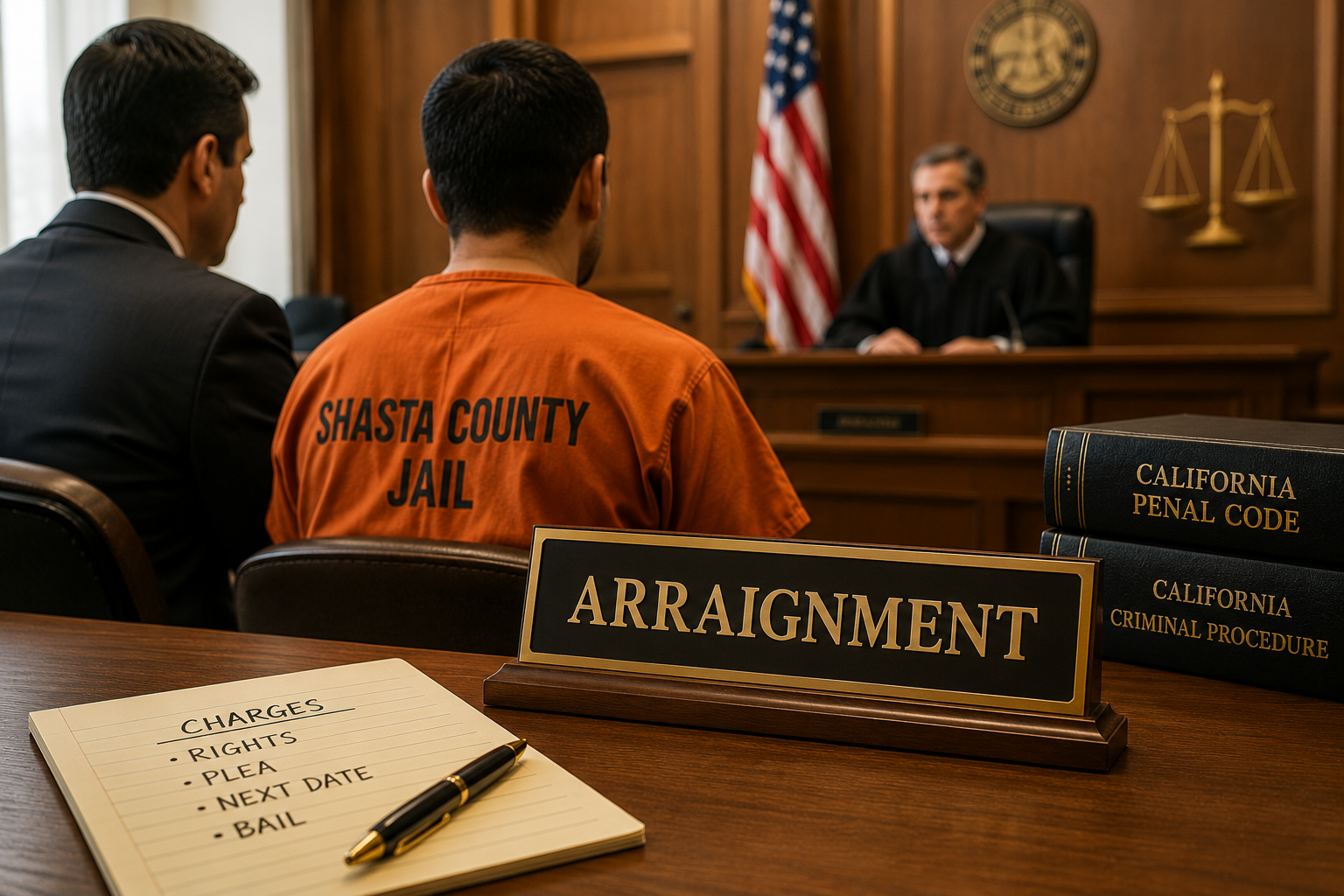
If you've been arrested, one of the first questions you probably have is, "What happens next?"
Many people have never been inside a courtroom before. Their understanding of the criminal justice system comes from television shows or movies. Unfortunately, Hollywood often gets it wrong.
One of the best examples is the movie My Cousin Vinny. Shortly after arriving in town, Vinny walks into court at the defendants' arraignment and immediately begins arguing the facts of the case. While it makes for great entertainment, that is generally not how criminal cases work in California.
In reality, a criminal case moves through several important stages, each serving a different purpose. Understanding those stages can help you know what to expect and why having an experienced criminal defense attorney matters.
Stage One: The Arraignment
The arraignment is usually your first appearance before a judge after criminal charges have been filed.
Many clients expect this to be the day their attorney proves their innocence.
It's not.
Instead, the arraignment is primarily a procedural hearing.
During the arraignment, the court generally:
- Advises you of the charges.
- Advises you of your constitutional rights.
- Determines whether you have an attorney.
- Addresses bail or custody issues.
- Sets future court dates.
- Accepts a plea, which is almost always "Not Guilty" at this stage.
One of the most common misconceptions is that the defense begins presenting witnesses and arguing the facts at the arraignment.
Generally speaking, that does not happen.
There are occasional exceptions. For example, in rare situations, a defense attorney may ask the court to dismiss a case in the interests of justice through a motion under Penal Code section 1385 or raise another issue that can be addressed immediately. Those situations are the exception, not the rule.
Most criminal cases simply are not ready for factual arguments at the arraignment because the defense has not yet received all of the evidence.
Criminal defense is not simply about making persuasive arguments.
It is about knowing when to make those arguments.
An experienced criminal defense attorney understands when to challenge the evidence, when to cross-examine witnesses, when to file motions, when to negotiate, and when to present the strongest defense at trial.
Every stage of a criminal case presents opportunities—and risks. Knowing how to use each stage effectively can make a substantial difference in the outcome of your case.
Looking for a Criminal Defense Attorney in Redding or Shasta County?
If you or someone you love is facing criminal charges, understanding the process is the first step. Having an experienced criminal defense attorney guide you through each stage—from arraignment through trial, if necessary—can help protect your rights and ensure that every opportunity to defend your case is fully explored.
At Jacob Levin Law, we represent clients throughout Redding, Shasta County, and Northern California in misdemeanor and felony cases. Whether your case is just beginning or is already set for trial, we are prepared to help you navigate every stage of the criminal justice process.