10 Reasons to Fight a Restraining Order in California
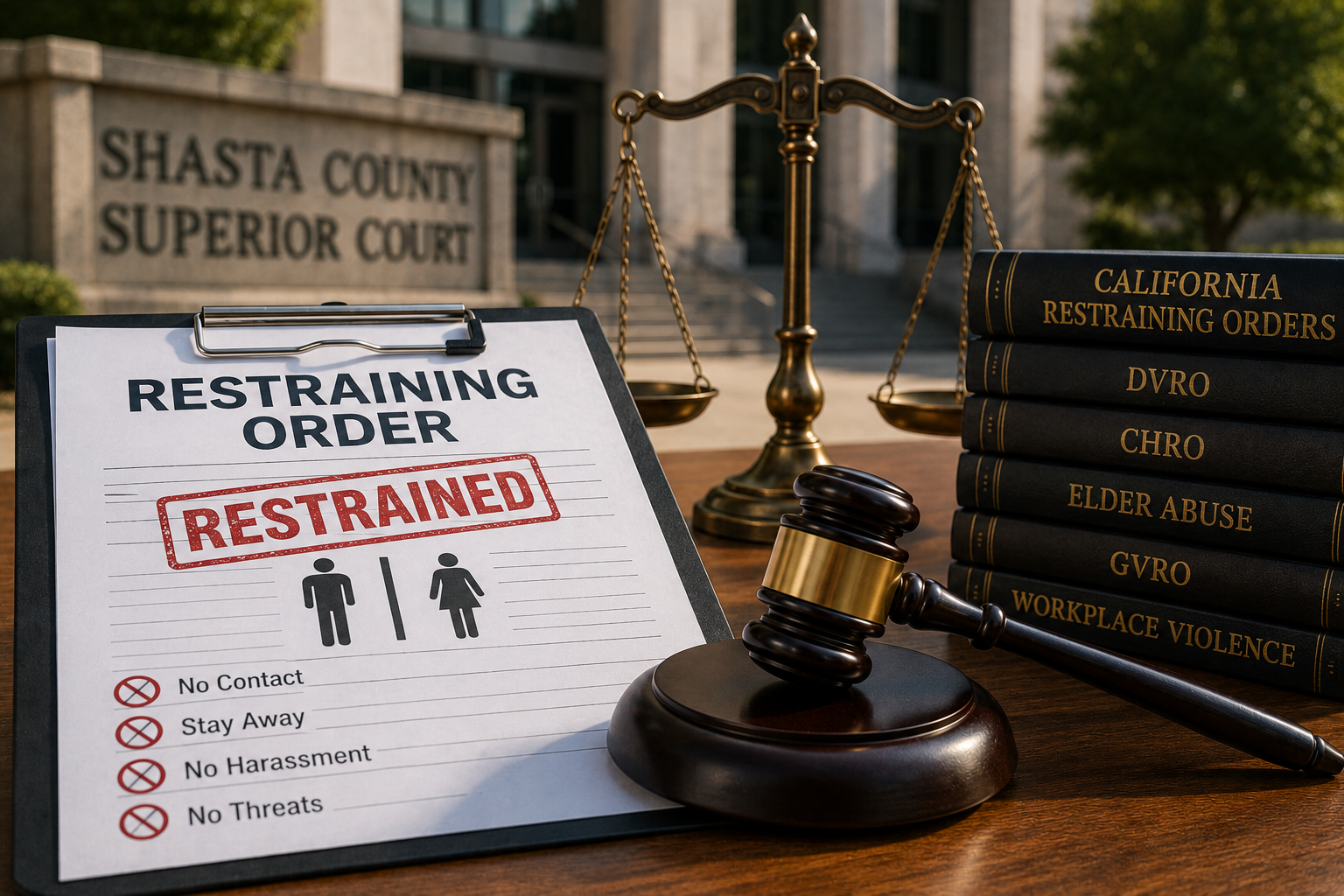
10 Reasons to Fight a Restraining Order in California
Many people make the mistake of thinking that because a restraining order is a civil matter, it is not as serious as a criminal case.
Nothing could be further from the truth.
Whether you are facing a Domestic Violence Restraining Order (DVRO), Civil Harassment Restraining Order (CHRO), Elder Abuse Restraining Order, or others, the consequences can be severe and long-lasting.
If you have been served with a restraining order in Shasta County or anywhere in California, here are ten important reasons why you should seriously consider fighting it.
1. You Lose Your Gun Rights
Once a temporary restraining order is issued, California law requires you to surrender any firearms you own or possess within 48 hours.
If you successfully defend against the restraining order, you will be eligible to have your firearms returned, subject to California's applicable waiting periods and legal requirements.
If a permanent restraining order is issued, however, you can lose your right to possess firearms for the duration of the order—which may be as long as five years. In some cases, the protected party may later seek to renew the restraining order, extending those restrictions even longer.
2. Your Freedom of Movement Can Be Restricted
Before the restraining order, you could generally go wherever you wished.
Afterward, you may have to constantly avoid places where the protected person might be present, including grocery stores, restaurants, sporting events, children's activities, shopping centers, and other public places.
Even accidental encounters can create difficult situations and may expose you to allegations that you violated the restraining order.
Successfully defeating the restraining order restores your freedom to live your life without those restrictions.
3. It Can Affect Child Custody
If a Domestic Violence Restraining Order is issued against you, California Family Code section 3044 creates a rebuttable presumption that awarding you custody of your children is not in their best interests.
While that presumption can sometimes be overcome, it creates a significant obstacle in custody litigation.
Successfully defeating the restraining order may prevent that presumption from arising in the first place.
4. It Can Affect Spousal Support
In some divorce proceedings, a domestic violence restraining order can influence whether one spouse is entitled to receive spousal support.
What happens in a restraining order case today can have lasting consequences in future family law proceedings.
5. It Can Be Used Against You in Future Court Proceedings
A restraining order does not exist in isolation.
It may later become an issue in family court, civil litigation, employment matters, professional licensing proceedings, or other legal disputes.
Winning your restraining order hearing may prevent those future consequences.
6. It May Encourage Additional Legal Claims
Unfortunately, when one restraining order is granted, it can sometimes embolden others to file similar petitions or make additional allegations.
Successfully defending yourself sends a very different message than allowing unsupported allegations to become court orders.
7. It May Increase the Risk of Criminal Charges
Although restraining order proceedings are civil in nature, the evidence presented during those hearings may sometimes be reviewed by law enforcement or prosecutors.
Depending on the circumstances, allegations made in a restraining order case can contribute to a criminal investigation.
8. Winning Can Strengthen Your Position
The burden of proof in many restraining order proceedings is lower than the burden of proof in a criminal case.
If a judge determines that the petitioner has failed to meet even that lower burden, it may significantly strengthen your position if criminal allegations are later considered.
Every case is different, but prevailing at the restraining order hearing can be an important first step.
9. Losing Can Lead to New Criminal Charges
Violating a restraining order can be prosecuted as a criminal offense.
That means a civil restraining order can become the basis for misdemeanor—or, in some circumstances, felony—criminal charges if the order is later violated.
The best way to avoid violating a restraining order is to successfully defend against one that should never have been issued.
10. A Restraining Order Can Affect Your Future
A restraining order can have consequences far beyond the courtroom.
It may affect:
- Employment opportunities
- Professional licenses
- Housing applications
- Security clearances
- Background checks
- Your personal and professional reputation
For many people, these long-term consequences are every bit as serious as the court hearing itself.
Don't Assume You Have No Defense
Every restraining order case is different. The petitioner has the burden of proving the legal requirements for the particular type of restraining order they are seeking. In many cases, there are factual disputes, credibility issues, evidentiary objections, or legal defenses that can make the difference between winning and losing.
If you have been served with a restraining order in Shasta County or anywhere in Northern California, do not assume the outcome is predetermined. An experienced restraining order attorney can evaluate the evidence, identify weaknesses in the petitioner's case, and develop a strategy tailored to the specific type of restraining order involved.
The consequences of a restraining order can last for years. The decision to fight it may affect the rest of your future.